Driveway Sealing in San Antonio, TX
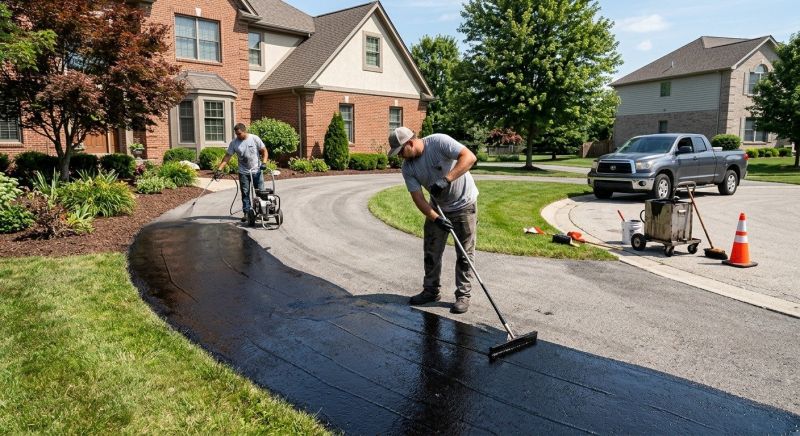
Driveway sealing services involve applying a protective coating to asphalt or concrete driveways to help extend their lifespan and maintain their appearance. This process typically covers residential driveways, parking areas, and other paved surfaces, providing a barrier against water, oil stains, UV rays, and general wear and tear. Homeowners often seek driveway sealing to preserve the integrity of their pavement, prevent cracking, and improve curb appeal, especially in regions like San Antonio where weather conditions can impact pavement durability.
Before requesting driveway sealing, property owners usually want to understand the condition of their existing surface, including any cracks or damage that may need repair beforehand. It’s also helpful to know the type of sealant used, the appropriate timing for application, and how the process might affect daily use of the driveway. Proper preparation and choosing the right sealing product can ensure the best results for protecting and enhancing the paved surface.
Many property owners in San Antonio, TX look into Driveway Sealing for repairs, replacements, upgrades, and appearance-related improvements.
Enhancing Durability
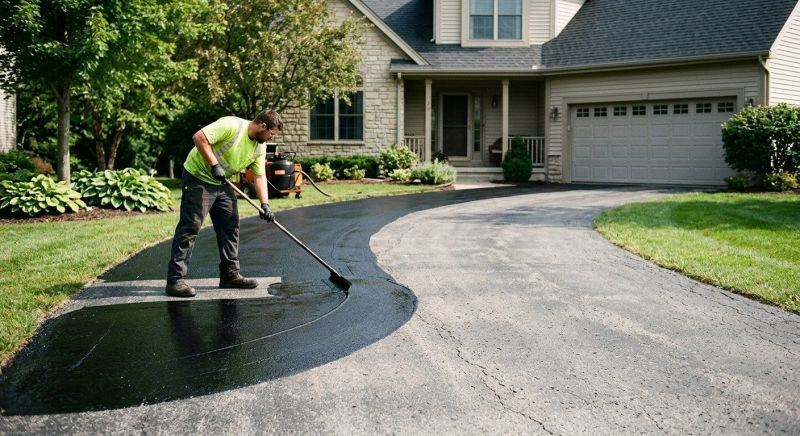
Sealing a driveway helps protect the surface from cracks and wear caused by frequent use and weather conditions.
Maintaining Appearance
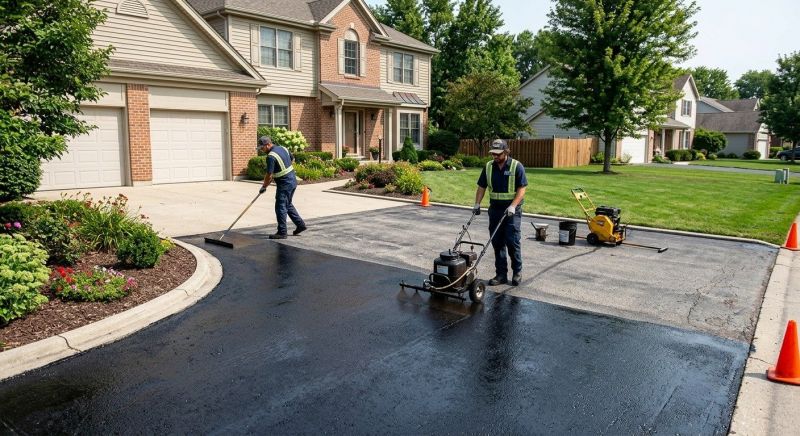
A fresh seal coat can improve the curb appeal of homes and commercial properties in san antonio, tx.
Extending Lifespan
Regular driveway sealing can prolong the life of asphalt surfaces by preventing damage over time.
Driveway Sealing in San Antonio, TX

Driveway sealing services involve applying a protective coating to asphalt or concrete driveways to help extend their lifespan and maintain their appearance. This process typically covers residential driveways, parking areas, and other paved surfaces, providing a barrier against water, oil stains, UV rays, and general wear and tear. Homeowners often seek driveway sealing to preserve the integrity of their pavement, prevent cracking, and improve curb appeal, especially in regions like San Antonio where weather conditions can impact pavement durability.
Before requesting driveway sealing, property owners usually want to understand the condition of their existing surface, including any cracks or damage that may need repair beforehand. It’s also helpful to know the type of sealant used, the appropriate timing for application, and how the process might affect daily use of the driveway. Proper preparation and choosing the right sealing product can ensure the best results for protecting and enhancing the paved surface.
Many property owners in San Antonio, TX look into Driveway Sealing for repairs, replacements, upgrades, and appearance-related improvements.
Common Driveway Sealing Jobs
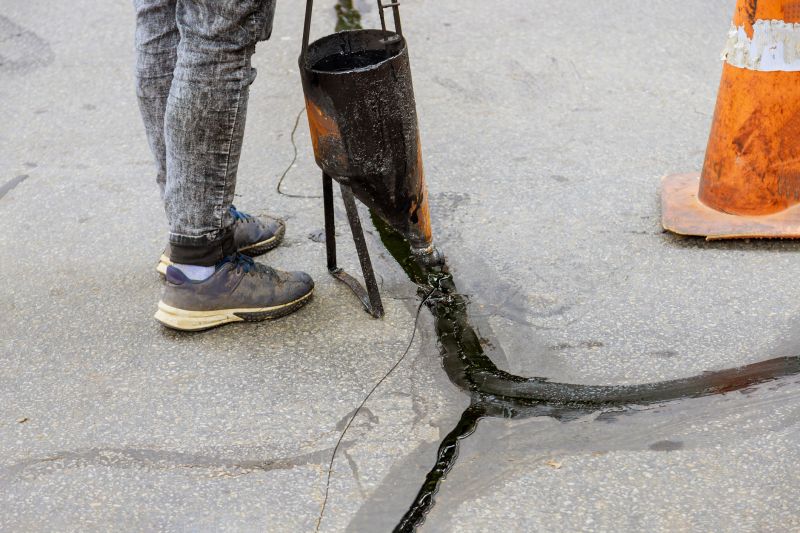
Driveway sealing - protects asphalt surfaces from water damage and UV rays.
Crack filling - prepares the driveway for sealing by addressing existing cracks.
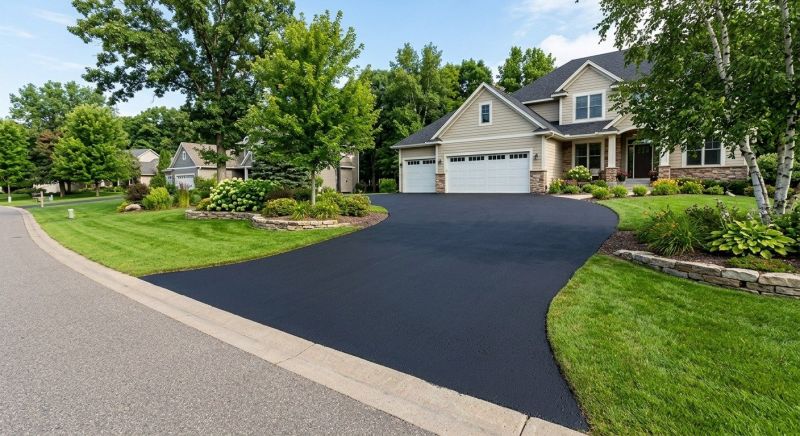
Surface sealing - enhances curb appeal while providing a protective barrier.
New driveway sealing - applies to freshly installed asphalt for long-term durability.
Resealing services - maintains the integrity of older driveways through periodic sealing.
Sealcoat removal - prepares heavily worn surfaces for a fresh sealing application.
Driveway Sealing Questions
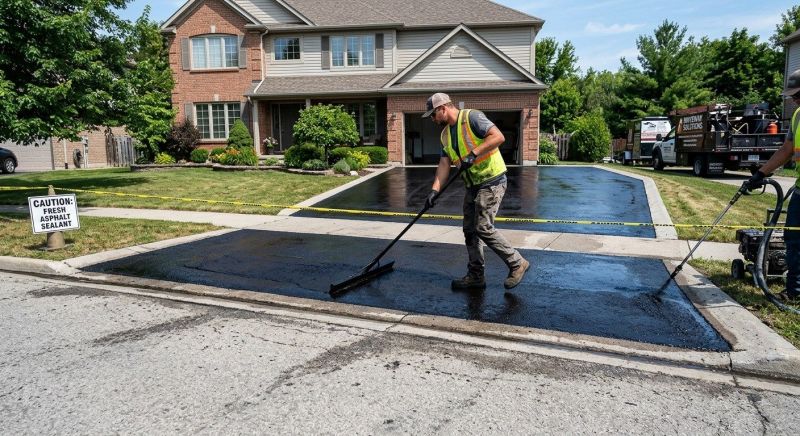
What is driveway sealing? Driveway sealing involves applying a protective coating to asphalt surfaces to help prevent damage from weather, water, and everyday wear.
Why should homeowners consider driveway sealing? Sealing extends the lifespan of a driveway, improves curb appeal, and reduces the likelihood of cracks and potholes.
When is the best time to seal a driveway? The ideal time for sealing is during warm, dry weather when temperatures are consistently above 50°F.
How often should a driveway be sealed? Typically, sealing every 2 to 3 years helps maintain protection and appearance.
Request Driveway Sealing in San Antonio, TX
Use the quote form on this page to share the basics of your project and request more information for the type of work you need.